


Serving Cartoons -
Service not Serve Us
“The greatest among you will be your servant.” — Matthew 23:11
Serving others is the natural overflow of a genuine love for God. Jesus taught that the two
greatest commandments are to love God with all our heart, soul, and mind — and to love others
as ourselves. True faith is never just belief… it shows up in how we serve.
Matthew 22:36-40 • James 2:14-17 • Galatians 5:13 • Matthew 25:40
Serving God First
Putting God at the center of our lives and using what He’s given us for His glory.
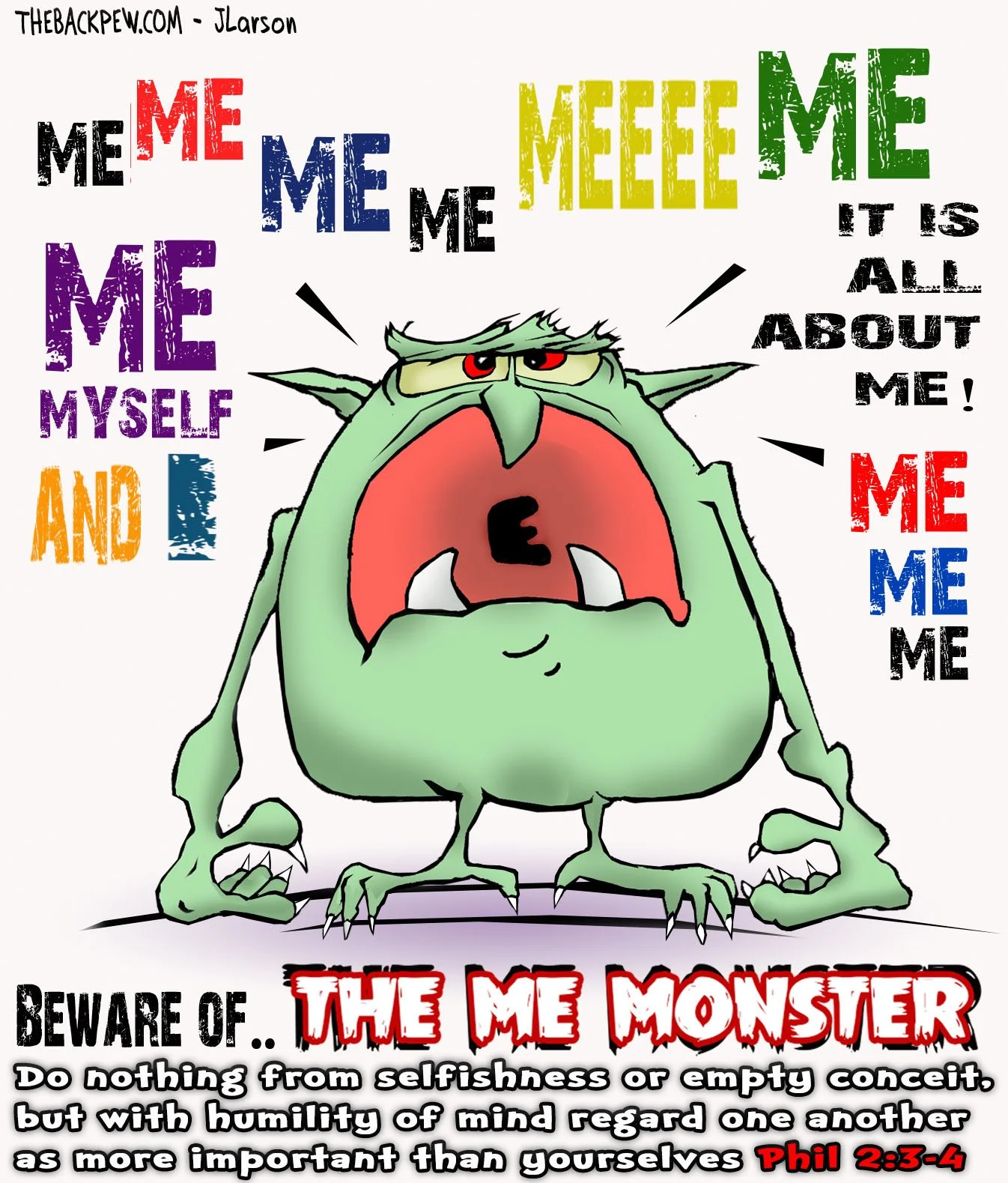

←- serving God how He uniquely wired me
Serving Others
Practical, everyday ways we show God’s love through action.
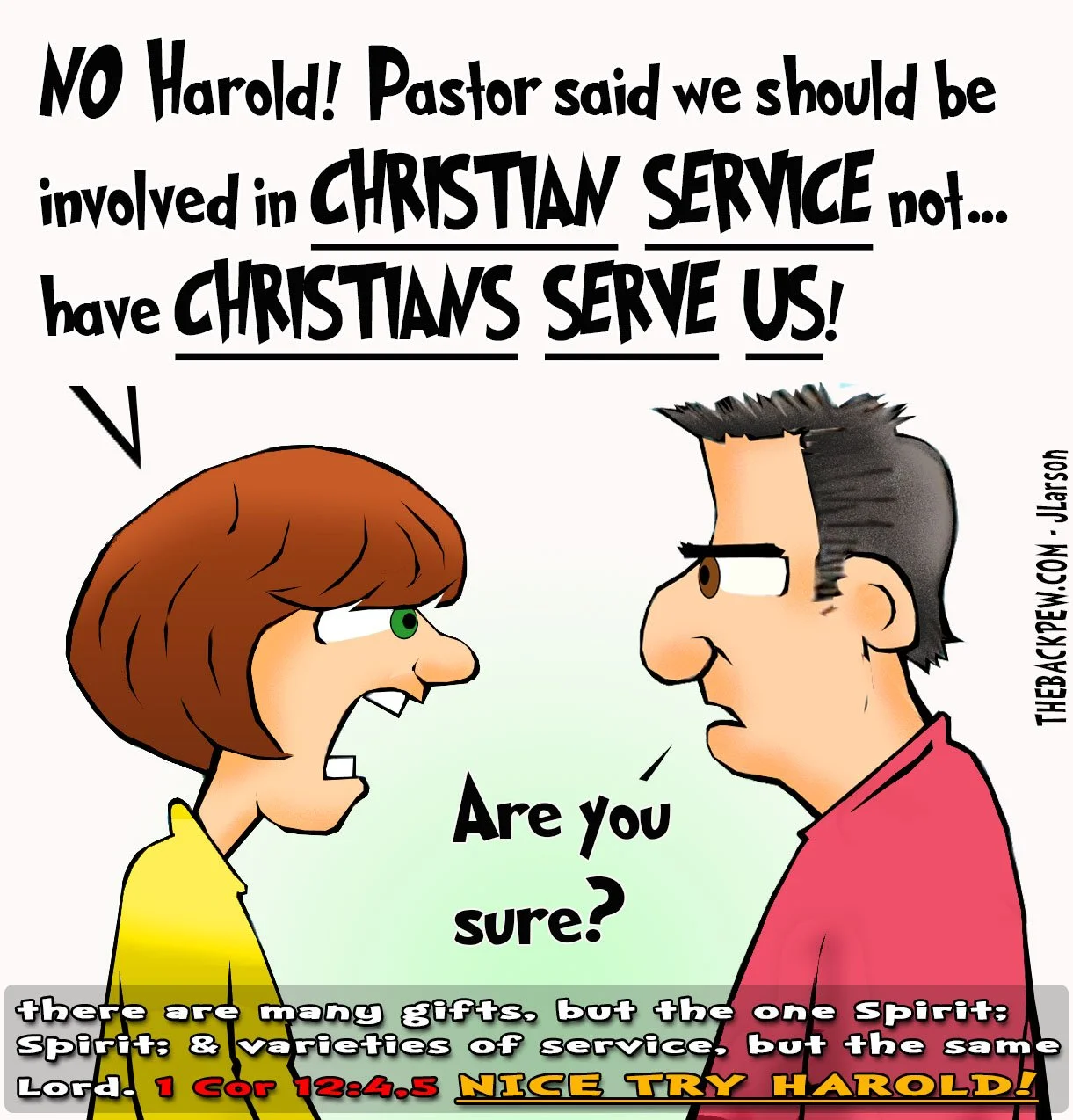
LIFE IS LIKE A MAZE - Be careful the paths you travel, always choosing to be good stewards
of God’s blessings on your life. Always love God first, and then others as ourselves. —>
Final Thought
Finally, let’s be like Jesus — the One who came not to be served, but to serve, and to give His life as a ransom for many (Mark 10:45).
The Parable of the Talents
What are we doing with what God has entrusted to us?
-
Now the Parable of the Talents is a story told by Jesus in the Bible, found in Matthew 25:14-30. It’s about a master who entrusts his servants with different amounts of "talents" (maybe $$) before going on a journey. The point isn’t just about money, though—it’s a metaphor for using what you’re given in life.
The master gives one servant five talents, another two, and a third just one, based on their abilities. The first two servants invest what they’re given and double their amounts—five becomes ten, two becomes four. The third servant, afraid of losing what he has, buries his single talent and does nothing with it. When the master returns, he praises the first two for their initiative and rewards them with more responsibility. The third gets chewed out for being lazy and wasteful, and his talent is taken away and given to the one who made ten.
The core idea is about stewardship and action. "Talents" represent whatever you’ve got—skills, resources, opportunities—and the story suggests you’re supposed to use them, take risks, and make something of them, not just sit on them out of fear. The master isn’t mad about failure; he’s mad about inaction. It’s less about the return on investment and more about the effort.
Some read it as a spiritual lesson—grow what God gives you, like faith or gifts, and don’t waste it. Others see a practical angle: don’t let fear stop you from taking responsibility for what you can do. Either way, it’s a call to be proactive, not passive, with what’s in your hands.
Of course, in The Back Pew, I have the servant with the one talent buying a GUMBALL, or PLAYING A VIDEO GAME, or taking his chances with a SLOT MACHINE… I should maybe add someone buying a LOTTERY TICKET. Anyways, the point we are called to be good stewards with the TALENTS and RESOURCES God has blessed each of us with.
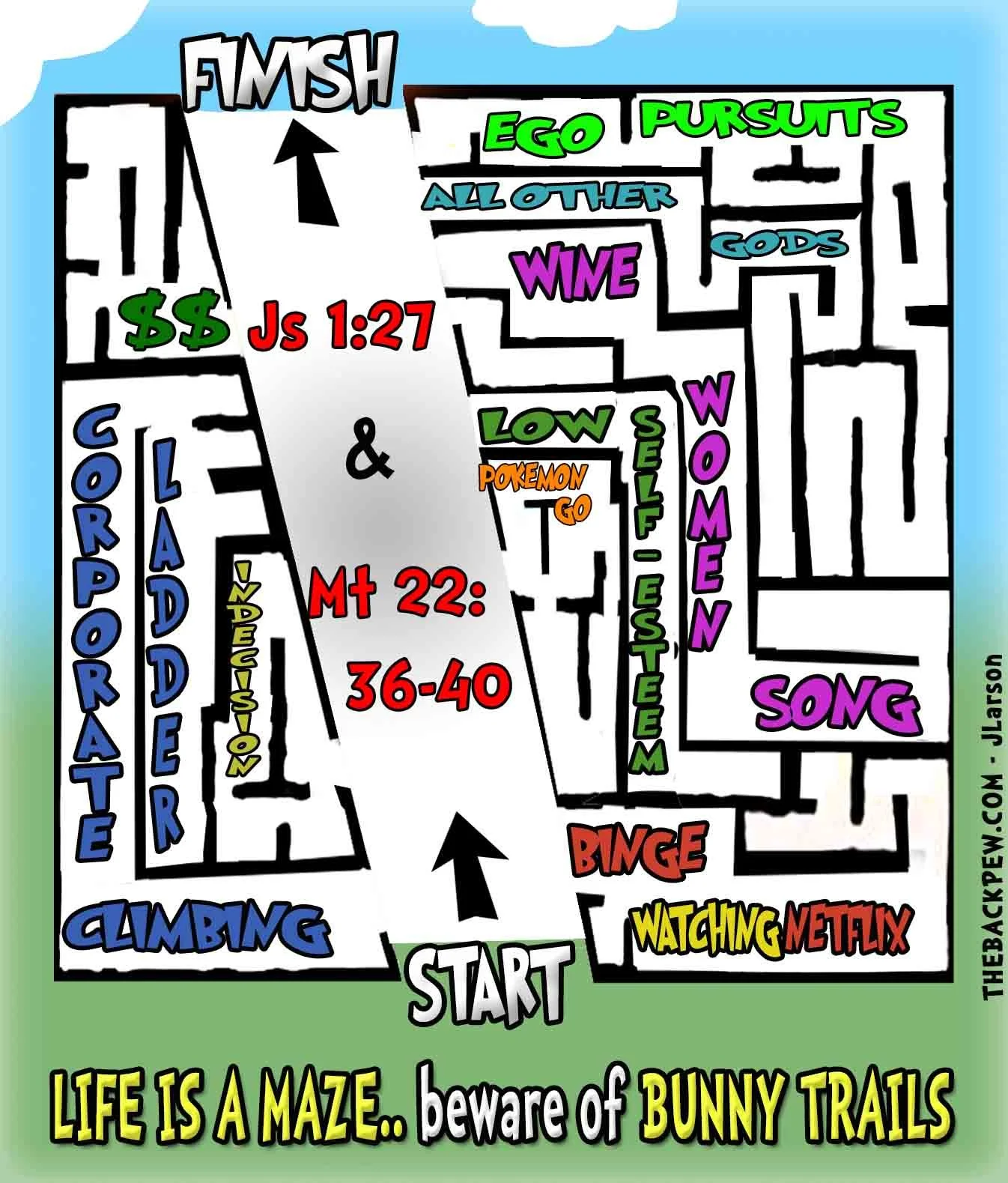
←- Beware the ME-Monster
He lives when we put our own needs & wants before God and/or others.
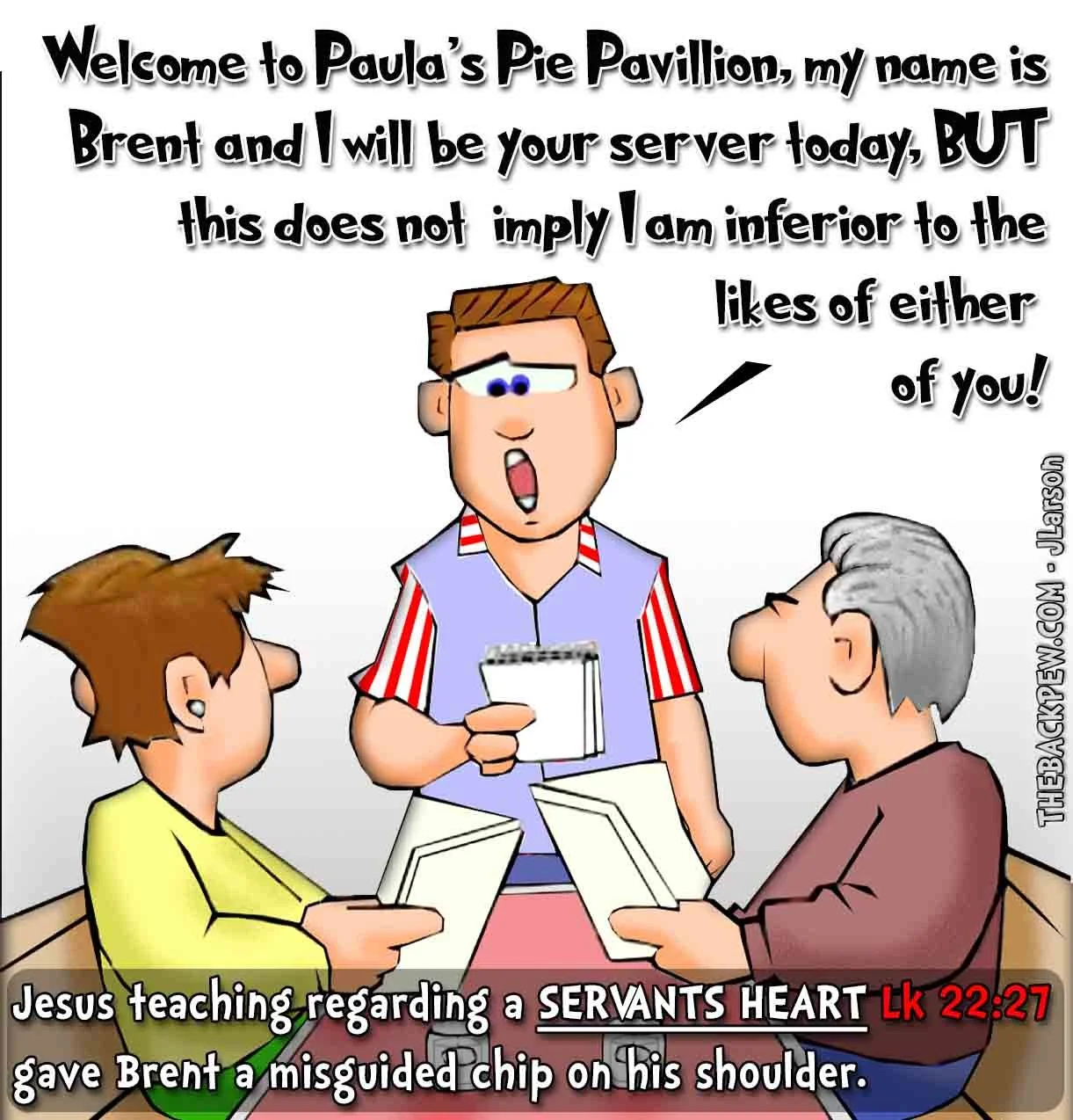
The Heart of the Servant