
1st Corinthians Cartoons- Paul’s 1st letter to Corinth
Paul’s first letter to the Corinthians. Written around 55 AD, Paul addresses a messy, divided church
— full of factions, immorality, lawsuits, questions about marriage, worship issues, and more.
Through practical teaching, correction, and encouragement, Paul points them (and us) back to Christ as the foundation.
Unity in Christ -
No divisions – chapters 1-4

(chapter 5), and advises the church to exercise discipline while maintaining purity. He addresses lawsuits among believers, encouraging resolution within the church rather than secular courts (chapter 6), and provides guidance on marriage, singleness, and divorce, emphasizing commitment and devotion to God in all circumstances (chapter 7).
In chapters 8-10, Paul discusses Christian liberty, particularly regarding eating food sacrificed to idols. He urges believers to prioritize love over knowledge, avoiding actions that might cause weaker Christians to stumble, and uses his own example of self-discipline to illustrate putting others first.
Freedom & Conscience
Food sacrificed to idols, Christian liberty & ‘cheeseheads’?– chapters 8-11
Love – The Greatest Way
1 Corinthians 13 – very important!
(13) elevates love as the greatest virtue, surpassing all gifts.

Wisdom of the Cross
God’s Wisdom vs the World - chapters 1-3

Living Holy Lives
Immorality, marriage, singleness – chapters 5-7)

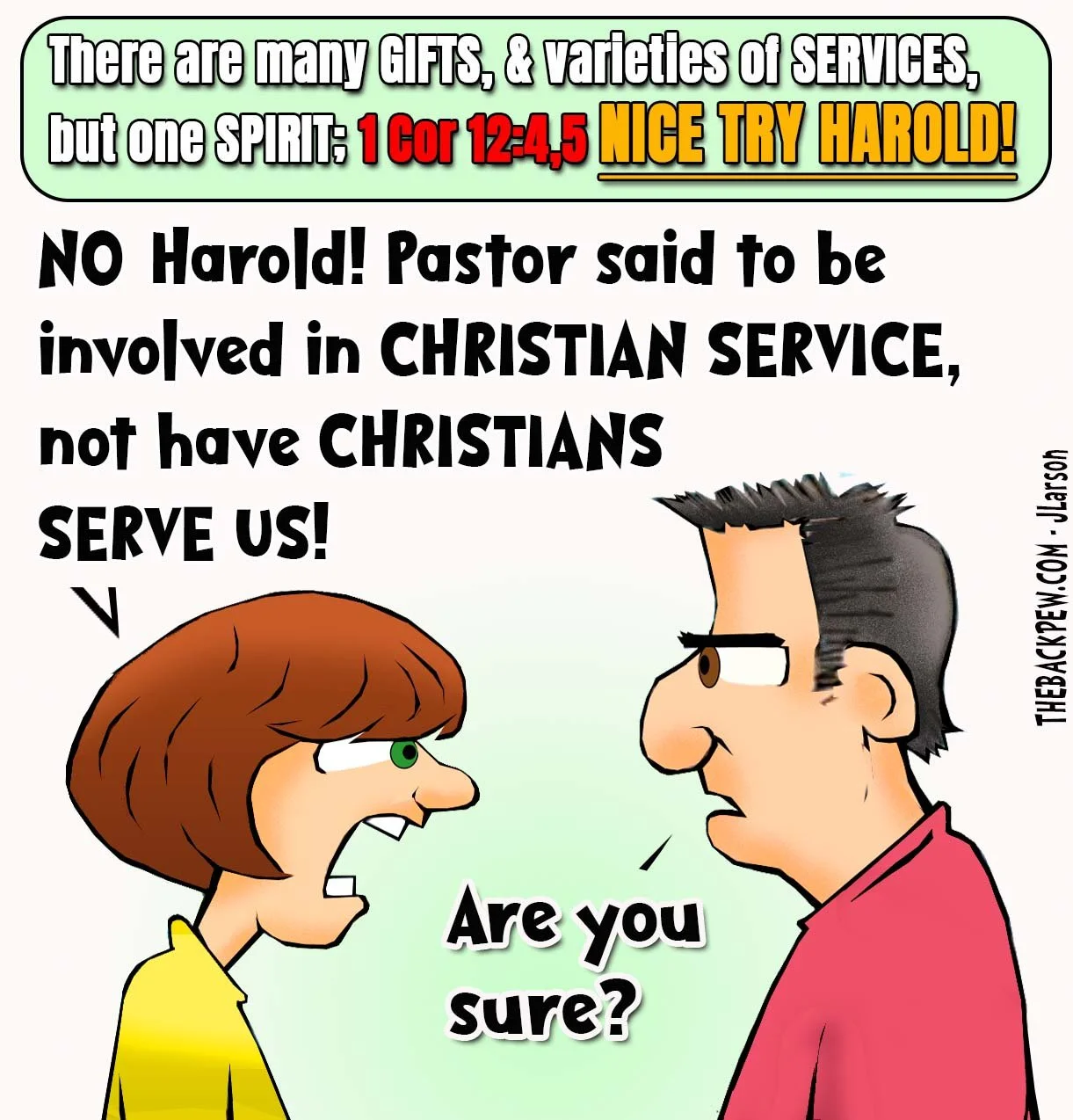
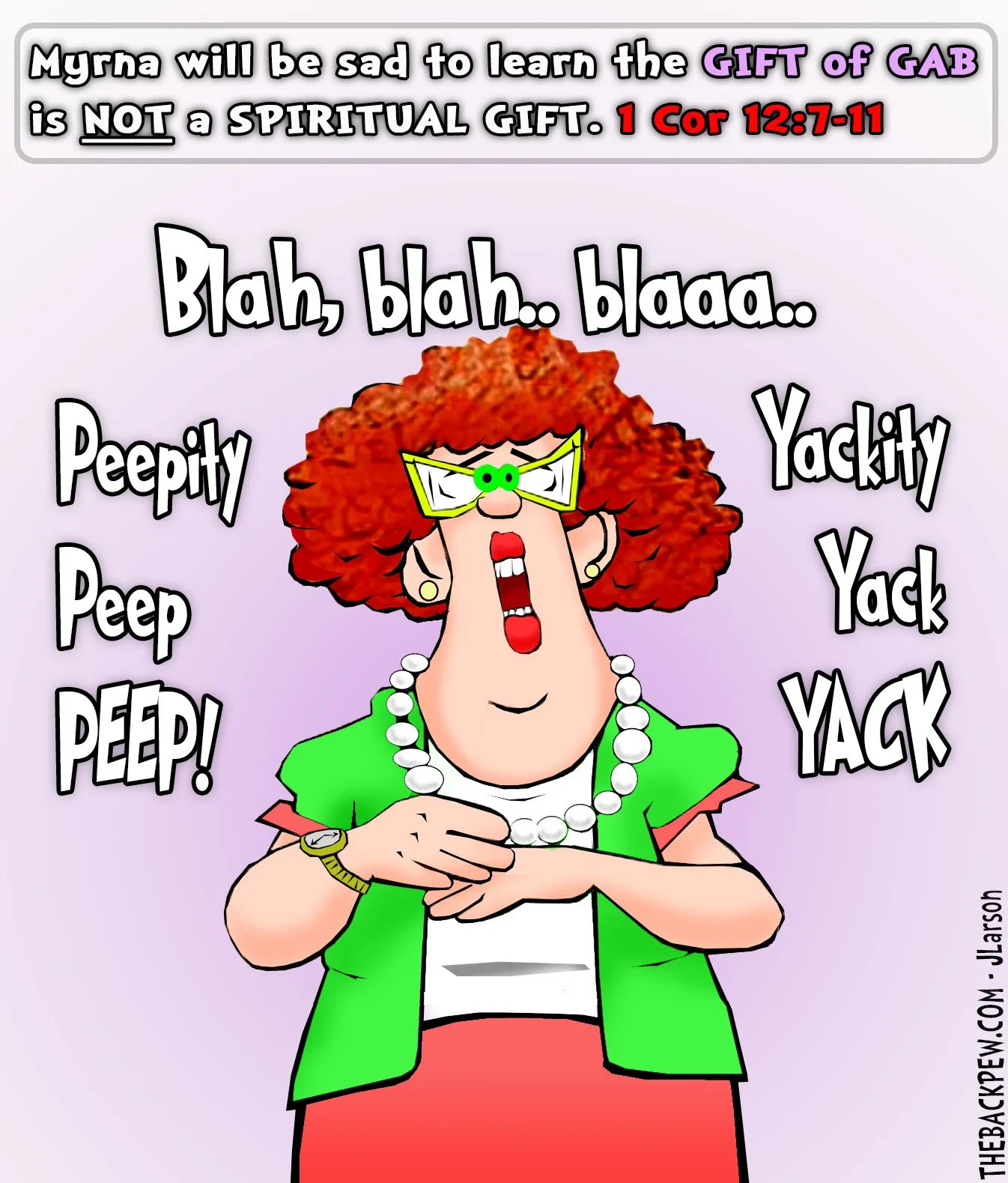
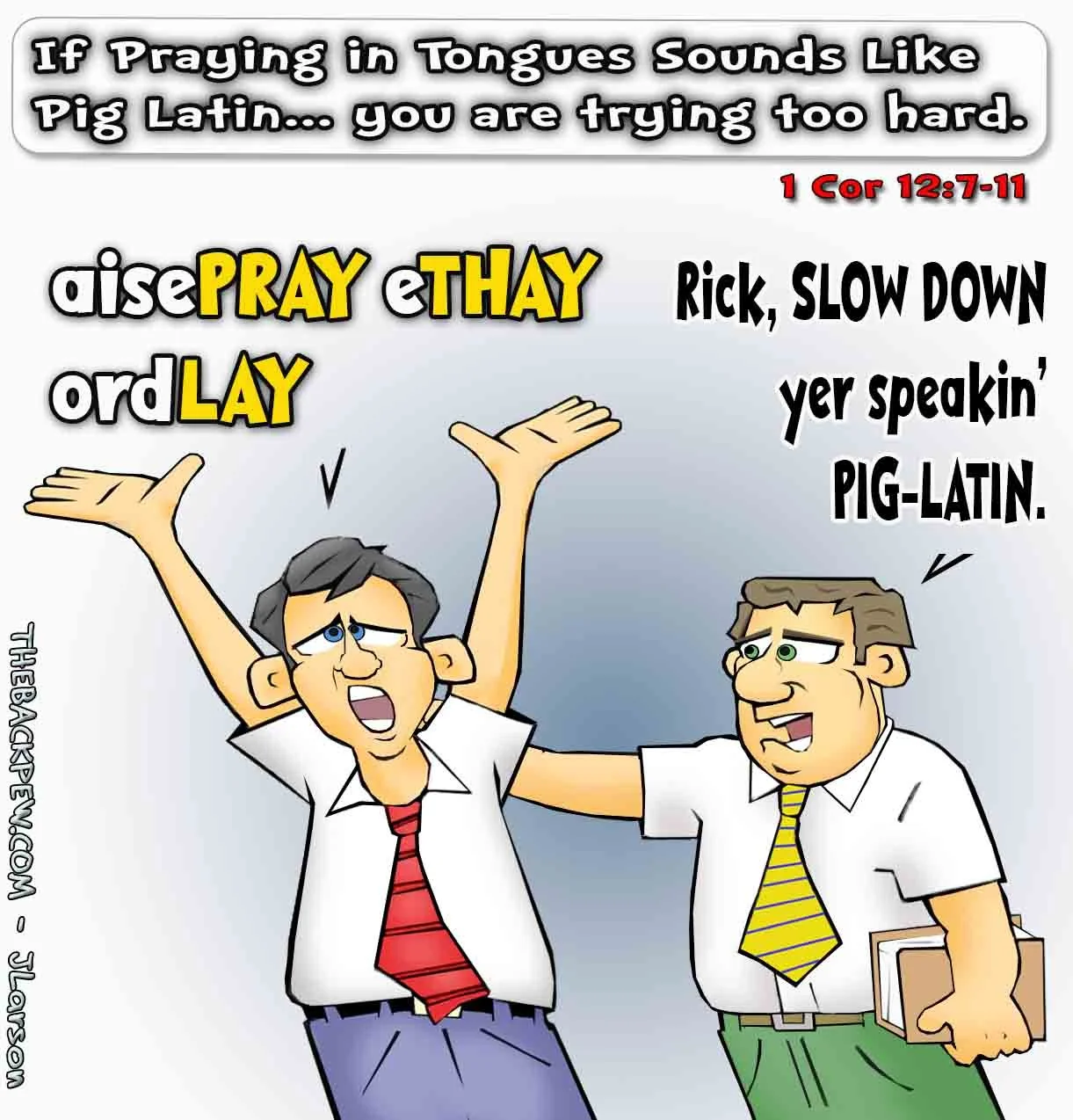
Chapters 12-14 focus on spiritual gifts, like speaking in tongues and prophecy, emphasizing their purpose for building up the church. The famous "love chapter"

The Resurrection
Chapter 15 – our hope!


Worship & Spiritual Gifts
Order in worship, tongues, gifts – chapters 11-14
Paul then defends the resurrection of Christ (chapter 15), arguing it is central to the gospel and the hope of believers’ future resurrection. He refutes doubts about bodily resurrection, describing it as a transformation into imperishable life. The letter closes (chapter 16) with practical instructions.

Chapter 11covers worship practices, including the Lord’s Supper, which some were abusing by turning it into a selfish feast. Paul calls for reverence and unity in this communal act.
IN SUMMARY: 1 Corinthians is a call to unity, maturity, and love within the church. It addresses specific problems—division, immorality, misuse of gifts—while grounding the Corinthians in the gospel, the centrality of Christ’s resurrection, and the priority of living for God and others.

SUPPORT
Clean Humor
& God’s Truth,